
The mind has a powerful influence on how people experience physical sensations. Attention, stress levels, emotional state, and mental patterns all play a role in how the brain interprets signals from the body. Because of this connection, many individuals explore techniques that help them calm the mind and shift their internal focus. One approach that continues to gain interest is self hypnosis for pain relief.
Self hypnosis is a practice where individuals guide themselves into a calm and focused mental state using relaxation and mental imagery techniques. In this state, the mind may become more receptive to positive suggestions and new perspectives. People often use self hypnosis for pain relief to encourage relaxation, improve focus, and develop a healthier response to stressful experiences.
At Silicon Valley Hypnosis Center, professional hypnotherapy sessions help individuals build the skills that make techniques like self hypnosis easier and more effective. Services such as Hypnosis for Pain Management, Stress Reduction Hypnotherapy, Mindset Transformation Hypnosis, Limiting Beliefs Hypnosis, and Personal Growth Hypnotherapy support individuals who want to strengthen the connection between mental awareness and overall well being.
Understanding how self hypnosis for pain relief works can help individuals explore practical mental techniques that support relaxation and emotional balance.
Jump to Practice Guide
- TLDR Quick Guide Practice
- Detailed Breakdown
- What Self Hypnosis for Pain Relief Means
- How Self Hypnosis Works with the Mind Body Connection
- Simple Self Hypnosis Techniques People Practice
- The Role of Mindset and Beliefs in Pain Perception
- When Guided Hypnotherapy Can Support Self Hypnosis
- Hypnotherapy Services That Help Strengthen Mental Skills
- Key Takeaways
- FAQs
- Disclaimer
TLDR Quick Guide Practice
Here are the key insights about self hypnosis for pain relief:
- Self hypnosis helps individuals guide themselves into a relaxed and focused mental state.
- This state allows the mind to become more receptive to calming suggestions and mental imagery.
- Techniques often include breathing exercises, visualization, and attention shifting.
- Many individuals combine self hypnosis with professional sessions such as Hypnosis for Pain Management or Stress Reduction Hypnotherapy.
- Developing consistent mental habits can strengthen relaxation and emotional resilience.
Detailed Breakdown
What Self Hypnosis for Pain Relief Means
Self hypnosis for pain relief refers to a mental practice where individuals guide themselves into a relaxed and focused state using structured techniques. Unlike stage hypnosis or entertainment hypnosis, this practice is focused on personal awareness, relaxation, and relief.
The goal of self hypnosis is to create a calm mental environment where the mind becomes more open to positive suggestions. In this state, individuals often focus on breathing, visualization, or calming phrases that help shift attention away from stress.
This focused state may help individuals:
- Calm mental tension
- Improve emotional balance
- Modify awareness of internal sensations
- Develop more supportive thought patterns
Many individuals learn these techniques during professional hypnotherapy sessions and then practice them independently as part of a daily relaxation routine.
How Self Hypnosis Works with the Mind Body Connection
To understand self hypnosis for pain relief, it helps to look at the relationship between the mind and the body. The brain constantly interprets signals from the body and assigns meaning to those sensations.
Stress, emotional tension, and constant attention to discomfort can increase awareness of these signals. When the nervous system remains highly activated, the body may feel tense or overwhelmed.
Self hypnosis techniques aim to shift the nervous system toward a calmer state by encouraging relaxation and focused awareness on other sensations. This often includes slowing the breath, relaxing the body, and directing attention toward calming imagery.
When the mind becomes calm, the body often follows. This is why individuals exploring self hypnosis for pain relief frequently focus on developing consistent relaxation habits.
Simple Self Hypnosis Techniques People Practice
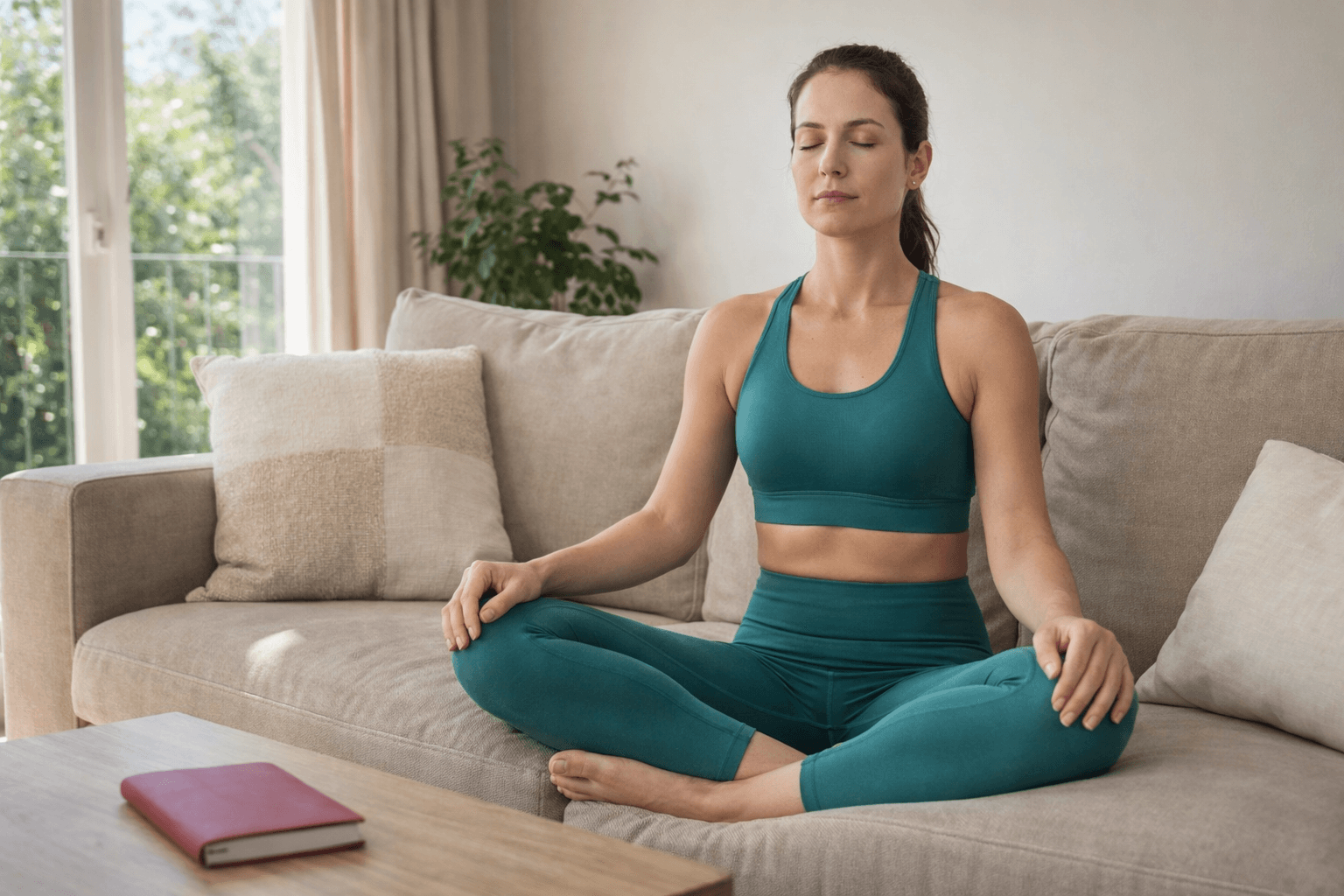
People who practice self hypnosis for pain relief often use a variety of techniques that support relaxation and mental focus. These techniques are simple but can become more effective when practiced regularly.
Controlled Breathing
Breathing techniques are often the first step in self hypnosis practice. Slow and steady breathing helps calm the nervous system and reduces mental tension.
A common method includes:
- Inhaling slowly through the nose
- Holding the breath briefly
- Exhaling gently through the mouth
Repeating this pattern helps create a rhythm that encourages relaxation.
Guided Visualization
Visualization is a powerful mental technique used in both professional hypnosis and self hypnosis. Individuals imagine calming environments or comforting sensations that help shift attention away from stress.
For example, someone might imagine sitting near a quiet lake or walking through a peaceful forest. These mental images can encourage the brain to associate calmness with the present moment.
Positive Mental Suggestions
Many individuals practicing self hypnosis for pain relief repeat calming phrases or supportive statements during their relaxation routine.
Examples include focusing on thoughts related to calmness, balance, or emotional strength. These mental suggestions can help reinforce positive thinking patterns.
The Role of Mindset and Beliefs in Pain Perception
Mindset and belief patterns can influence how the brain interprets internal experiences. When someone expects discomfort or focuses heavily on a particular sensation, the brain may reinforce those patterns.
Understanding self hypnosis for pain relief often involves identifying and shifting these belief patterns.
For example, individuals may explore:
- How their internal dialogue influences stress responses
- Whether certain beliefs increase mental tension
- How new perspectives may support emotional balance
Services such as Limiting Beliefs Hypnosis and Mindset Transformation Hypnosis help individuals explore these patterns more deeply.
By changing subconscious beliefs, individuals may develop healthier emotional responses to everyday challenges.
When Guided Hypnotherapy Can Support Self Hypnosis
While self hypnosis for pain relief can be practiced independently, many people find it helpful to first learn the techniques through professional hypnotherapy sessions.
Working with a hypnotherapist can help individuals:
- Understand how hypnosis works
- Develop stronger relaxation techniques
- Learn how to guide their attention effectively
- Build confidence in practicing self hypnosis
Professional sessions such as Hypnosis for Pain Management and Stress Reduction Hypnotherapy often introduce clients to techniques they can later practice on their own.
Hypnotherapy Services That Help Strengthen Mental Skills
At Silicon Valley Hypnosis Center, several services support individuals who want to develop the skills used in self hypnosis for pain relief.
Hypnosis for Pain Management
This service focuses on helping individuals change how they mentally respond to physical sensations through relaxation and mental reframing techniques.
Stress Reduction Hypnotherapy
Stress reduction sessions help individuals calm the nervous system and develop healthier responses to daily pressures.
Mindset Transformation Hypnosis
Mindset transformation hypnosis helps individuals shift limiting thought patterns and develop more supportive mental habits.
Limiting Beliefs Hypnosis
This service focuses on identifying subconscious beliefs that may influence emotional responses and replacing them with more empowering perspectives.
Personal Growth Hypnotherapy
Personal growth hypnotherapy supports individuals who want to strengthen mental clarity, emotional awareness, and overall well being.
Key Takeaways
Understanding self hypnosis for pain relief highlights the powerful relationship between mental focus, relaxation, and emotional balance.
Key insights include:
- Self hypnosis involves guiding the mind into a calm and focused state.
- Breathing, visualization, and positive suggestions are common techniques.
- Consistent practice can help strengthen relaxation habits and mental resilience.
- Professional services such as Hypnosis for Pain Management, Stress Reduction Hypnotherapy, and Mindset Transformation Hypnosis support these techniques.
- Limiting Beliefs Hypnosis and Personal Growth Hypnotherapy help individuals develop healthier mental patterns.
By learning how to guide attention and relaxation, individuals may develop stronger awareness of their mind-body connection.
FAQs
What is self hypnosis for pain relief?
Self hypnosis for pain relief is a relaxation technique where individuals guide themselves into a calm and focused mental state. This state often involves breathing exercises, visualization, and positive mental suggestions. The goal is to create a peaceful mental environment that supports relaxation and emotional balance.
Can anyone practice self hypnosis?
Yes, many people can learn simple self hypnosis techniques. These practices typically involve relaxation, attention control, and visualization exercises. Some individuals learn these techniques independently, while others prefer to learn them through professional hypnotherapy sessions.
How often should someone practice self hypnosis?
Many people practice self hypnosis regularly as part of a relaxation routine. Short sessions lasting ten to twenty minutes can be enough to encourage calm and mental clarity. Consistency is often more important than the length of each session.
Do people combine self hypnosis with professional hypnotherapy?
Yes, many individuals combine personal practice with professional sessions. Services such as Hypnosis for Pain Management and Stress Reduction Hypnotherapy can help individuals learn techniques that they later practice independently.
Should self hypnosis replace professional medical advice?
Self hypnosis is typically used as a complementary personal development practice. Individuals experiencing physical symptoms should first consult a qualified healthcare professional. Hypnosis focuses on supporting relaxation, emotional balance, and mindset development rather than diagnosing medical conditions.
Disclaimer
While hypnosis has many scientifically documented beneficial effects, it is not a substitute for medical, psychological, or psychiatric treatment. We are not licensed mental health practitioners, and do not claim to diagnose, treat, cure, or prevent any disease or illness. Please seek care from a licensed mental health professional or medical doctor for these purposes. This article is for informational purposes only and is not meant to provide medical or mental health advice. All terms are used as common vernacular rather than diagnostic language. No promise of income is being made in this article or from any services being offered.