
Early life experiences can shape the way we think, respond to challenges, and view ourselves as adults. While many people move forward naturally, others notice that difficult childhood experiences continue influencing confidence, relationships, communication, or professional life years later.
Every person’s journey is unique. Experiences that were overwhelming, frightening, or emotionally difficult during childhood may leave trauma-related imprints that continue influencing subconscious patterns throughout adulthood.
In this guide, you’ll learn what childhood trauma-related imprints are, how early experiences may continue influencing adulthood, and how personalized hypnotherapy supports greater self-awareness, confidence, and personal growth.
Jump to
- TLDR Quick Guide
- What Is Childhood Trauma?
- Simple Childhood Experiences vs. Ongoing Childhood Experiences
- Childhood Experience Reflection
- Understanding Your Reflection
- Common Ways Early Childhood Experiences May Continue to Influence Adulthood
- Understanding Different Types of Trauma-Related Imprints
- How Personalized Hypnotherapy May Support Personal Growth After Childhood Experiences
- Five Common Hypnotherapy Techniques
- Key Takeaways: Personalized Hypnotherapy for Childhood Trauma and Personal Growth
- FAQ
TLDR Quick Guide
- Learn how childhood trauma-related imprints and difficult early life experiences may continue influencing confidence, relationships, communication, and everyday decision-making.
- Understand the difference between isolated childhood events and ongoing childhood experiences, and how they may contribute to recurring subconscious patterns.
- Explore common ways early childhood experiences may continue influencing adulthood through confidence, emotional responses, relationships, and personal growth.
- Discover different types of trauma-related imprints and how they may shape thoughts, behaviors, and perspectives over time.
- Learn how personalized hypnotherapy supports greater self-awareness, resilience, confidence, and practical mindset development through a personalized, goal-focused approach.
- Find answers to frequently asked questions about childhood experiences, trauma-related imprints, and personalized hypnotherapy.
What Is Childhood Trauma?
Understanding Childhood Trauma-Related Imprints
The term childhood trauma is used throughout this article because it is widely recognized by the public. It is presented in a general, educational, and non-clinical sense to describe difficult or overwhelming experiences during childhood that may continue influencing thoughts, emotions, behaviors, or perspectives later in life.
These experiences vary significantly from person to person. Some people experience a single challenging event, while others encounter ongoing difficulties over time. Rather than focusing on labels or diagnoses, it can be helpful to recognize how early experiences may contribute to trauma-related imprints or recurring subconscious patterns that influence everyday life.
Simple Childhood Experiences vs. Ongoing Childhood Experiences
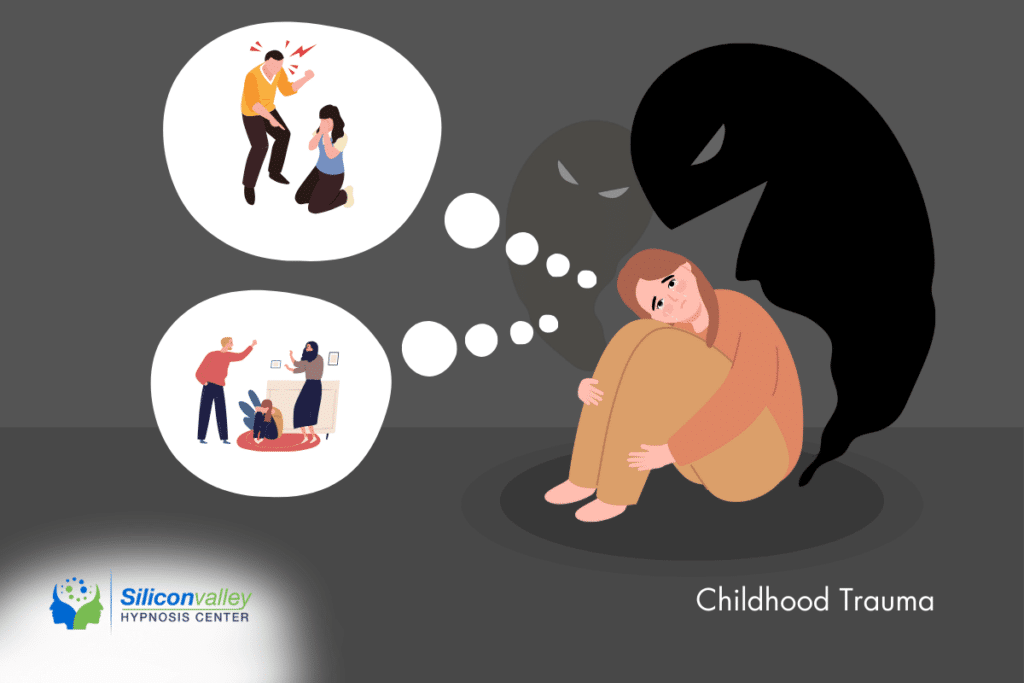
Not every difficult childhood experience affects people in the same way. Understanding the difference between isolated events and ongoing experiences can provide helpful context when exploring how early life experiences may continue influencing adulthood.
A. Isolated Childhood Experiences
These generally involve a single significant event that occurs over a short period of time.
Examples may include:
- A serious accident
- A natural disaster
- A frightening one-time event
- An unexpected family crisis
Each person’s response is unique, and the long-term impact varies depending on individual circumstances.
B. Ongoing Childhood Experiences
Some people experience repeated or long-term challenges throughout childhood.
Examples may include:
- Ongoing family conflict
- Emotional neglect
- Long-term bullying
- Repeated instability within the home
Rather than focusing on the event itself, it is often more helpful to understand how these experiences may influence subconscious beliefs, confidence, communication, and emotional responses later in life.
Childhood Experience Reflection
Everyone’s childhood is different, and there is no single checklist that defines how early experiences influence adulthood. Instead of using a quiz, consider reflecting on your own experiences and how they may have shaped your perspectives today.
You might ask yourself:
Family Environment
- Were there experiences during childhood that continue influencing how you respond to challenges?
- Did you grow up in an environment where you consistently felt encouraged and supported?
- Were there situations that shaped your confidence or sense of belonging?
Early Relationships
- How did your early relationships influence the way you communicate or trust others today?
- Are there recurring beliefs about yourself that began during childhood?
Life Experiences
- Have significant childhood events influenced the way you approach uncertainty or change?
- Are there situations that trigger automatic reactions or familiar thought patterns?
These questions are intended only for personal reflection and are not designed to diagnose any medical, psychological, or mental health condition.
Understanding Your Reflection
There are no right or wrong answers.
Instead of producing a score or diagnosis, these questions encourage greater self-awareness about how early experiences may continue influencing present-day thoughts, behaviors, communication, and relationships.
Recognizing recurring patterns is often the first step toward developing more supportive ways of responding to life’s challenges.
Common Ways Early Childhood Experiences May Continue to Influence Adulthood
Every person’s experiences are unique, and early life events affect individuals differently. Rather than viewing these as symptoms or signs of a particular condition, they can be understood as examples of patterns some people notice as they continue growing and developing. These experiences do not apply to everyone, and their impact can vary based on many personal and life circumstances.
1. Greater Emotional Sensitivity
Some people find that they respond more strongly to stressful situations, unexpected changes, or emotionally charged conversations. Experiences from childhood may shape how the subconscious interprets similar situations later in life, making certain events feel more overwhelming than they appear on the surface. Developing greater self-awareness can help individuals better understand these responses and build healthier ways of navigating them.
2. Increased Awareness of Surroundings
Many people become especially observant of changes in their environment, relationships, or the emotions of those around them. This heightened awareness may have developed as a way of anticipating uncertainty during childhood. While this attentiveness can be a valuable strength in many situations, some individuals may also find it mentally exhausting if it becomes difficult to fully relax.
3. Challenges Building Trust
Early relationships often influence how people approach trust and connection as adults. Individuals who experienced inconsistent support, conflict, or instability during childhood may naturally take more time to feel comfortable opening up to others. Building trust often develops gradually through positive relationships and increased confidence in personal boundaries.
4. Self-Critical Thinking
Childhood experiences can sometimes contribute to deeply rooted beliefs about personal worth, abilities, or success. As adults, these beliefs may appear as persistent self-doubt, perfectionism, or an ongoing tendency to underestimate personal strengths. Recognizing these thought patterns is often an important step toward developing a healthier and more balanced perspective.
5. Sleep or Relaxation Challenges
Periods of increased stress can sometimes make it more difficult to fully relax at the end of the day. Some people notice that their minds remain active as they reflect on conversations, responsibilities, or future situations, which may occasionally affect sleep quality. Developing relaxation techniques and healthier stress-management habits may help create greater balance over time.
6. Worry During Uncertain Situations
Major life decisions, unexpected changes, or unfamiliar circumstances can naturally create uncertainty. For some individuals, earlier life experiences may contribute to spending more time evaluating possible outcomes before taking action. Learning to recognize these thought patterns can support greater confidence when making decisions.
7. Avoiding Difficult Conversations or Situations
People sometimes postpone conversations or situations that feel emotionally uncomfortable, particularly if similar experiences were difficult in the past. While avoiding conflict may feel easier in the moment, developing communication skills and confidence can help people approach challenging situations with greater clarity and composure.
8. Difficulty Staying Present
Stressful situations may occasionally make it difficult to focus on the present moment, especially when thoughts repeatedly return to past experiences or future concerns. Developing greater awareness of these patterns can help individuals become more intentional in their daily interactions, decisions, and personal growth.
9. Physical Responses During Stressful Situations
The mind and body are closely connected, and periods of stress may sometimes be accompanied by physical responses such as muscle tension, headaches, digestive discomfort, or fatigue. These experiences vary widely from person to person and can also have many unrelated causes. If physical symptoms are persistent or concerning, they should be evaluated by a qualified healthcare professional.
10. A Desire for Personal Growth
Many people begin exploring their earlier experiences not because something is “wrong,” but because they want to better understand themselves. Developing greater confidence, stronger relationships, healthier communication, and more supportive thinking patterns can all be meaningful goals for continued personal and professional growth. Learning more about how past experiences may have shaped current perspectives is often a valuable step toward creating positive change.
Every person’s experiences are unique, and not everyone will relate to every example listed above. These patterns are intended to encourage greater self-awareness rather than provide a diagnosis or define your experiences.
Understanding how early life experiences may continue influencing your thoughts, relationships, and decision-making can be a valuable first step toward developing more supportive perspectives, greater confidence, and continued personal growth.
Understanding Different Types of Trauma-Related Imprints
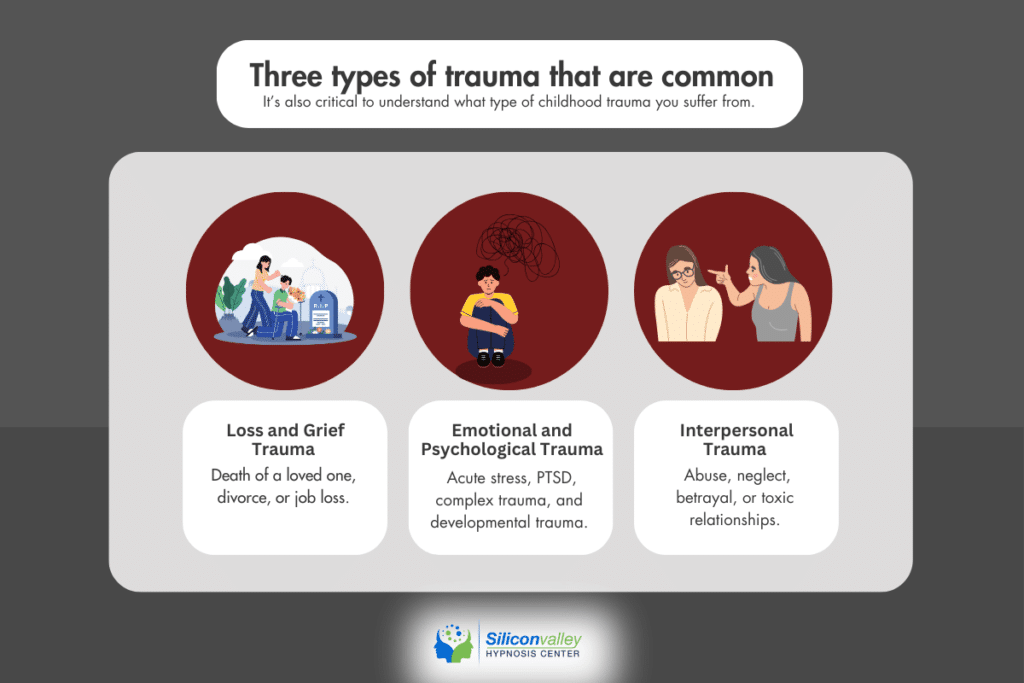
Understanding the different types of experiences people encounter can provide helpful context for recognizing how early events may continue shaping adult life.
1. Physical Trauma-Related Imprints
Physical injuries or accidents can sometimes leave lasting emotional impressions alongside physical recovery. For some individuals, significant injuries may continue influencing confidence, stress responses, or daily activities long after the event itself.
2. Emotional and Psychological Trauma-Related Imprints
Emotionally difficult experiences may contribute to subconscious patterns that influence confidence, emotional responses, relationships, or decision-making. These experiences vary greatly from person to person and are not experienced in the same way by everyone.
3. Medical Trauma-Related Imprints
Hospital stays, major medical procedures, or serious illnesses can become emotionally significant life experiences for some individuals and may continue influencing future healthcare situations.
4. Sexual Trauma-Related Imprints
Experiences involving unwanted sexual contact or violations of personal boundaries may leave lasting emotional impressions. Every individual’s experience is unique, and responses vary considerably.
5. Interpersonal Trauma-Related Imprints
Difficult family dynamics, betrayal, neglect, emotional abuse, or toxic relationships may create subconscious patterns that influence trust, communication, or future relationships.
6. Secondary or Vicarious Trauma-Related Imprints
People who regularly witness or support others through difficult experiences—such as caregivers or first responders—may notice emotional effects from repeated exposure.
7. Natural Disaster Trauma-Related Imprints
Natural disasters such as earthquakes, floods, hurricanes, or wildfires may continue influencing emotional well-being long after the immediate event.
8. War or Conflict-Related Trauma-Related Imprints
Military service, armed conflict, displacement, or living in unstable environments can become significant life experiences that continue influencing emotional resilience.
9. Loss and Grief Trauma-Related Imprints
The loss of a loved one, divorce, career changes, or other major life transitions may influence confidence, emotions, and perspective in different ways.
10. Collective Trauma-Related Imprints
Large community events or widespread crises can influence emotional well-being across groups of people, with each individual responding differently.
Recognizing these experiences isn’t about assigning labels. Instead, it helps explain how significant life events may contribute to subconscious patterns that influence daily life. Personalized hypnotherapy focuses on building greater confidence, resilience, and self-awareness while supporting your personal development goals.
How Personalized Hypnotherapy May Support Personal Growth After Childhood Experiences
Many people seek personalized hypnotherapy because they want to better understand subconscious patterns connected to earlier life experiences while building greater confidence, resilience, and emotional balance.
Rather than focusing on diagnosis or treatment, sessions are designed around your individual goals and provide practical mindset strategies that support personal growth.
Developing Relaxation and Self-Awareness
Hypnotherapy encourages a deeply relaxed, focused state that can make it easier to observe subconscious thoughts, beliefs, and emotional patterns with greater awareness.
Reframing Limiting Beliefs
Early childhood experiences sometimes contribute to beliefs about confidence, self-worth, or personal ability. Personalized hypnotherapy may help you recognize these patterns and reinforce more supportive ways of thinking.
Building Emotional Resilience
Many clients appreciate learning practical mindset techniques that help them approach everyday situations with greater confidence, balance, and emotional resilience.
Strengthening Confidence and Self-Esteem
As confidence grows, many people find it easier to trust their abilities, communicate effectively, and pursue meaningful personal and professional goals.
Moving Forward With Greater Confidence
Personalized hypnotherapy focuses on helping you develop practical strategies you can continue applying in everyday situations, supporting long-term confidence and personal growth.
Five Common Hypnotherapy Techniques
Different techniques may be incorporated depending on your goals, preferences, and personal experiences. Every session is customized rather than following a fixed approach.
Progressive Muscle Relaxation (PMR)
This relaxation technique helps calm the body while encouraging a focused mental state that supports reflection, self-awareness, and relaxation.
Guided Imagery
Guided imagery uses positive visualization exercises to encourage relaxation while helping you develop confidence, emotional resilience, and a more constructive mindset.
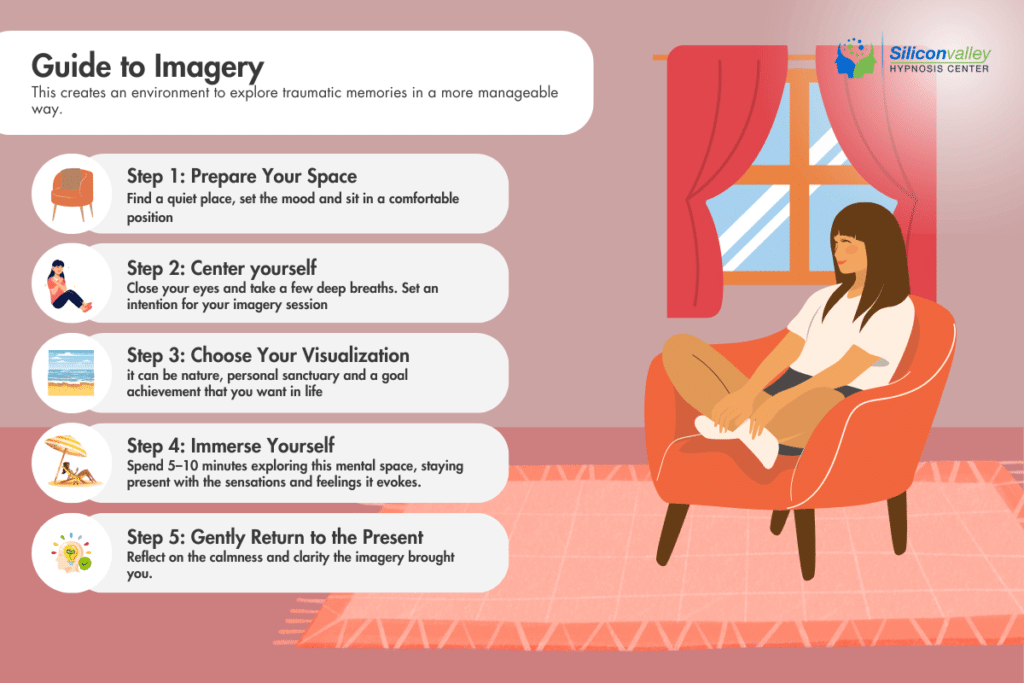
Exploring Significant Life Experiences
When appropriate, some individuals choose to explore meaningful past experiences to better understand recurring subconscious patterns. This process is always guided respectfully, at a pace that feels comfortable, and is focused on insight and personal growth.
Positive Suggestions
Positive suggestions reinforce supportive beliefs, confidence, resilience, motivation, and practical mindset strategies that align with your personal development goals.
Parts Work
Parts work explores different perspectives or internal conflicts people sometimes experience during important life situations. The goal is to develop greater self-understanding, emotional balance, and confidence.
Key Takeaways: Personalized Hypnotherapy for Childhood Trauma and Personal Growth
While childhood trauma is a commonly used search term, many people are actually looking for ways to better understand the trauma-related imprints or subconscious patterns that difficult childhood experiences may leave behind.
At Silicon Valley Hypnosis Center, Dan Ross provides personalized hypnotherapy sessions that support confidence, resilience, self-awareness, and personal growth. Every session is tailored to your individual goals and focuses on helping you develop practical mindset strategies you can continue applying long after each appointment.
If you’d like to learn whether personalized hypnotherapy is a good fit for your goals, schedule a consultation with Dan Ross today.
FAQ
Can childhood experiences continue influencing adulthood?
Yes. Early childhood experiences may contribute to subconscious patterns that influence confidence, relationships, communication, and decision-making later in life. Every person’s experience is unique.
Can personalized hypnotherapy help me explore childhood experiences?
Many people choose personalized hypnotherapy to better understand subconscious patterns connected to early life experiences while building greater confidence, resilience, and personal growth. Sessions are personalized around your goals and are not intended to diagnose or treat medical or mental health conditions.
How many sessions do people usually have?
The number of sessions varies depending on each person’s goals, experiences, and preferences. During your consultation, Dan Ross will recommend an approach based on your individual objectives.
Is hypnotherapy conducted in a supportive environment?
Hypnotherapy is a guided process where you remain aware and in control throughout each session. Sessions are conducted in a confidential, respectful, and supportive environment designed to encourage relaxation, confidence, and personal growth.